
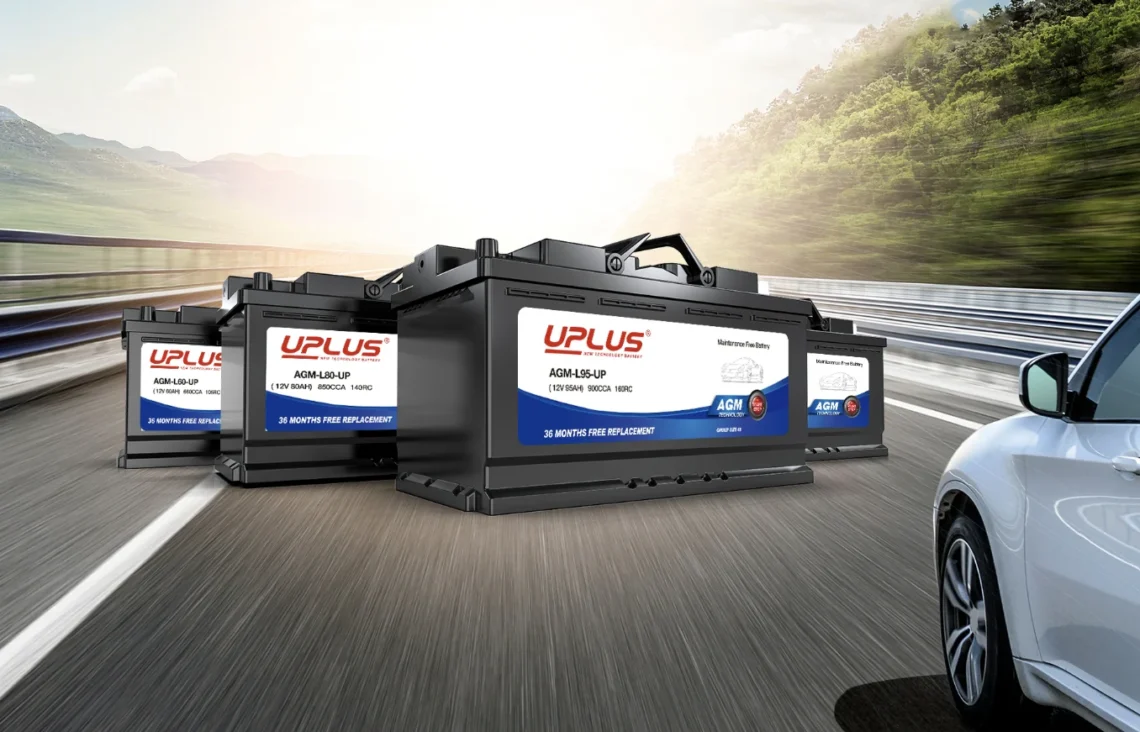
A car battery is one of the most important parts of your vehicle. It powers the starter, lights, electrical systems, and helps keep your engine running smoothly. But like all components, it does not last forever. Many drivers only think about their battery when it fails — usually at the worst possible time. Understanding how long car batteries last can help you avoid breakdowns, save money, and maintain your vehicle properly.
In this detailed guide, we’ll look at car battery lifespan, signs of a weak battery, factors that affect longevity, and tips to make it last longer.
How Long Do Car Batteries Typically Last?
Most car batteries last:
➡️ 3 to 5 years
This is the average lifespan for standard lead-acid car batteries. However, the exact lifespan depends on:
- Climate
- Driving habits
- Battery quality
- Electrical usage
- Maintenance
Some batteries may last up to 6 years, while others fail much earlier if exposed to harsh conditions.
How Long Do Different Types of Car Batteries Last?
Not all car batteries are the same. Here are common types and their estimated lifespans:
1. Lead-Acid Battery (Standard)
- Lifespan: 3–5 years
This is the most common and affordable type found in most cars.
2. AGM Battery (Absorbent Glass Mat)
- Lifespan: 4–7 years
AGM batteries are stronger, more durable, and handle modern car electronics better.
3. Lithium-Ion Battery (Hybrid & Electric Cars)
- Lifespan: 8–15 years
These are used in hybrid and electric vehicles like Tesla, Toyota Prius, etc.
What Affects the Lifespan of a Car Battery?
Many factors influence how long your car battery will last. Here are the most important ones:
1. Climate and Temperature
Car batteries last longer in cool climates.
- High heat speeds up chemical reaction inside the battery, causing quicker wear.
- Extreme cold makes it harder for the engine to start and drains power faster.
Countries with very hot summers or freezing winters may see batteries last only 2–3 years.
2. Driving Habits
Short trips (5–10 minutes) prevent the battery from fully charging.
Over time, this weakens the battery.
Longer drives allow the alternator to recharge the battery properly.
3. Electrical Load
Modern cars have many electrical systems:
- Screens
- Sensors
- Sound systems
- Cameras
- Heated seats
- Phone chargers
These all rely on the battery. High electrical usage reduces battery life.
4. Battery Quality
Cheap, low-quality batteries fail faster.
Premium batteries last longer because they use better materials and hold charge better.
5. Age and Usage
A battery naturally becomes weaker as it ages, even if unused.
That’s why a “new old stock” battery still may not perform like a fresh one.
Signs Your Car Battery Is Getting Weak
Most batteries show warning signs before failing. Watch for:
1. Slow Engine Crank
If your car takes longer to start, the battery may be weak.
2. Dim Lights
Headlights or interior lights appear less bright.
3. Dashboard Battery Warning Light
This indicates a charging problem.
4. Electrical Issues
Radio, AC, or windows may act slower than usual.
5. Corroded Battery Terminals
White or blue buildup around the terminals affects performance.
6. Swollen Battery Case
Heat damage can cause the battery casing to expand — a sign it needs replacement.
How Often Should You Replace a Car Battery?
Most experts recommend replacing a car battery every:
➡️ 3 to 5 years
If you live in a hot climate, replace it closer to 3 years.
If you drive often and maintain the battery well, it may last up to 5 years.
How to Make Your Car Battery Last Longer
Here are simple tips to extend battery life:
1. Drive Regularly
This keeps the battery charged. Avoid only short trips.
2. Clean Terminals
Remove corrosion to maintain strong connections.
3. Turn Off Electronics
Always switch off lights, radio, AC and chargers before turning off the engine.
4. Test Battery Yearly
A quick voltage test helps you know its health.
5. Avoid Extreme Temperatures
Park in shade during summer and use garages during winter.
6. Secure the Battery Tightly
Vibration can damage internal plates.
How Long Does a Car Battery Last Without Driving?
If a car is not driven:
- A new battery lasts 4–8 weeks
- Older batteries may die in 1–3 weeks
Modern cars still draw power even when parked.
How Long Does a Battery Last After Jump-Starting?
A jump-start does not fix the battery.
If the battery is healthy, it will continue working normally after being charged.
If the battery is failing, it may die again within days or even hours.
How Long Do Electric Car Batteries Last?
EV batteries last much longer:
➡️ 8 to 15 years
Manufacturers often offer 8-year warranties on EV battery packs.
When to Replace a Car Battery Immediately
Replace the battery if you notice:
- Car won’t start
- Battery case is swollen
- Leaking battery acid
- Rotten egg smell (sulfur gas)
- Heavy corrosion
- Battery older than 5 years
Driving with a failing battery may damage the alternator or leave you stranded.
Final Thoughts
So, how long do car batteries last?
For most cars, the answer is 3 to 5 years. But climate, driving habits, battery quality, and electrical usage all play big roles. Regular maintenance, cleaning terminals, and paying attention to warning signs can help prolong the life of your battery.
A healthy battery keeps your car running smoothly and prevents surprise breakdowns — something every driver wants to avoid.